
 中文
中文
 English
 Russian
 Thai
Thai
 Indonesian
 Vietnamese
 Portuguese, Portugal
 French
 日本
日本
 Korean
 Hindi
Hindi
 Spanish
 Turkish
 Arabic
 Bahasa Malaysia
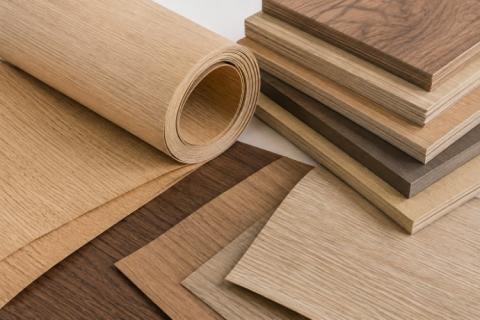
Reconstituted veneer gives wood a fascinating second act. It uses real wood but reshapes its natural character through a controlled manufacturing process. For us, it shows how technology can turn simple timber into consistent decorative surfaces.
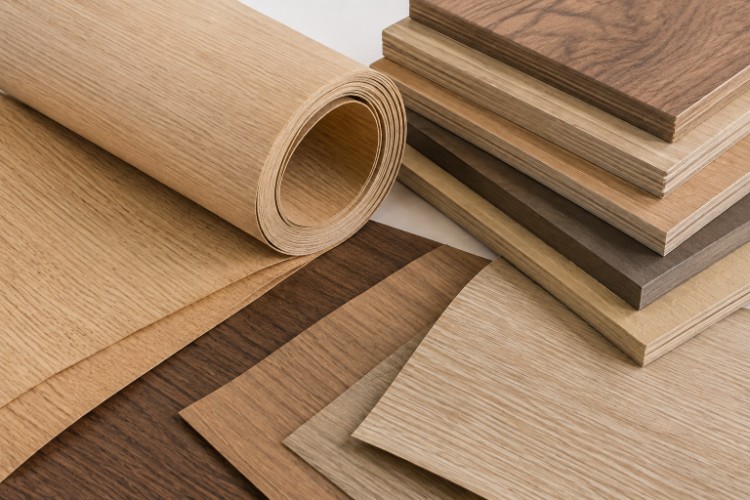
What Is Reconstituted Veneer?
A Manufactured Wood Veneer
So, What Is Reconstituted Veneer exactly? It is a type of wood veneer made from thin sheets of natural timber. Manufacturers dye, arrange, glue, press, and slice these sheets into new veneer blocks. The final product offers a controlled grain pattern with remarkably consistent appearance.
Unlike printed imitation wood, recon veneers still contain real wood. Manufacturers can create patterns inspired by many wood species. White oak, walnut, teak, and other styles can appear with consistent color and grain. That consistency makes recon veneers popular for furniture and interior applications.
How Is Reconstituted Veneer Made?
From Thin Sheets to New Logs
The manufacturing process begins with selected logs, often from fast growing species. Manufacturers rotary cut the logs into thin sheets. They then dry, sort, dye, and stack the sheets according to the desired design.
Next, manufacturers glue the sheets into a solid block. They press the block under controlled conditions and create a new wood-like log. Finally, they slice the reconstructed block into veneer sheets.
Why Drying Matters
Drying plays a critical role before manufacturers rebuild the veneer block. The sheets need suitable moisture content for later processing and bonding. Uneven moisture can create quality problems during further processing.
A modern Veneer Dryer Machine helps manufacturers dry veneer quickly and evenly. Proper drying also supports better flatness, color control, and production stability. The USDA Forest Products Laboratory highlights uniform moisture as a major goal of veneer drying.
How Does It Differ From Natural Veneer?
Natural Wood Has More Variation
Natural wood veneer shows the personality of the original tree. Its color, knots, mineral streaks, and grain can vary from sheet to sheet. That variation creates beautiful character, but it can also challenge large projects.
Reconstituted veneer takes a different route. Manufacturers control the arrangement and color of the wood during production. As a result, large surfaces can maintain a more predictable appearance.
Rotary Cut Veneer Can Start the Process
Many recon veneers use rotary cut veneer as their starting material. Rotary cutting produces a continuous sheet from a log. This method can provide efficient recovery from suitable timber.
Manufacturers then transform those sheets into a new decorative material. The result combines real wood with a much more controlled visual language. It is almost like giving nature a drafting table.
Why Do Designers Choose It?
Consistent Color and Grain
Interior designers often need matching panels across walls, doors, cabinets, and furniture. Natural veneer may vary across batches. Reconstituted veneer can provide repeatable color and grain instead.
This consistency becomes especially useful for hospitality and commercial projects. A designer can specify one appearance and reproduce it across many surfaces. That saves time and reduces unpleasant surprises during installation.
More Design Possibilities
Manufacturers can manipulate color, grain direction, and pattern during production. They can also create designs that natural trees rarely produce. Some collections even combine unusual colors with geometric patterns.
For example, designers may choose a white oak appearance without demanding identical natural logs. They can also explore colors beyond traditional wood tones. This flexibility gives interior designers more creative freedom.
Is Reconstituted Veneer Eco Friendly?
Better Use of Wood Resources
Reconstituted veneer can support efficient use of wood resources. Manufacturers can use plantation-grown or fast growing timber as the raw material. They can then reproduce the appearance of valuable or rare wood species.
This approach can reduce pressure on scarce natural wood resources. However, the environmental benefit depends on responsible sourcing and production practices. We always recommend checking the supplier's wood origin and certifications.
Where Can You Use It?
Reconstituted veneer works well across many decorative applications, including:
- Furniture and cabinets
- Doors and wall panels
- Hotel interiors
- Office furniture
- Retail displays
- Automotive interiors
- Architectural surfaces
Its stable appearance makes it especially useful when designers need many matching veneer sheets.
Final Thoughts
Reconstituted veneer combines natural wood with precise manufacturing. It keeps the warmth of real wood while offering better control over color and grain. For modern projects, that combination can be a very practical choice.
At Shandong Shine Machinery, we understand how important veneer drying is to production quality. A stable drying process helps prepare veneer for the next manufacturing stage. If your factory needs reliable drying equipment, our team can help you select a suitable solution.