
 中文
中文
 English
 Russian
 Thai
Thai
 Indonesian
 Vietnamese
 Portuguese, Portugal
 French
 日本
日本
 Korean
 Hindi
Hindi
 Spanish
 Turkish
 Arabic
 Bahasa Malaysia
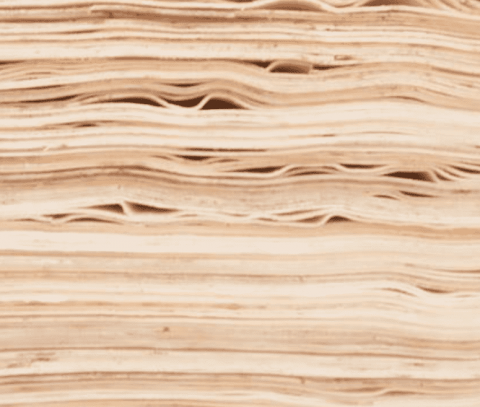
How To Prevent Curling Of Veneer During Transportation After Rotary Cutting?
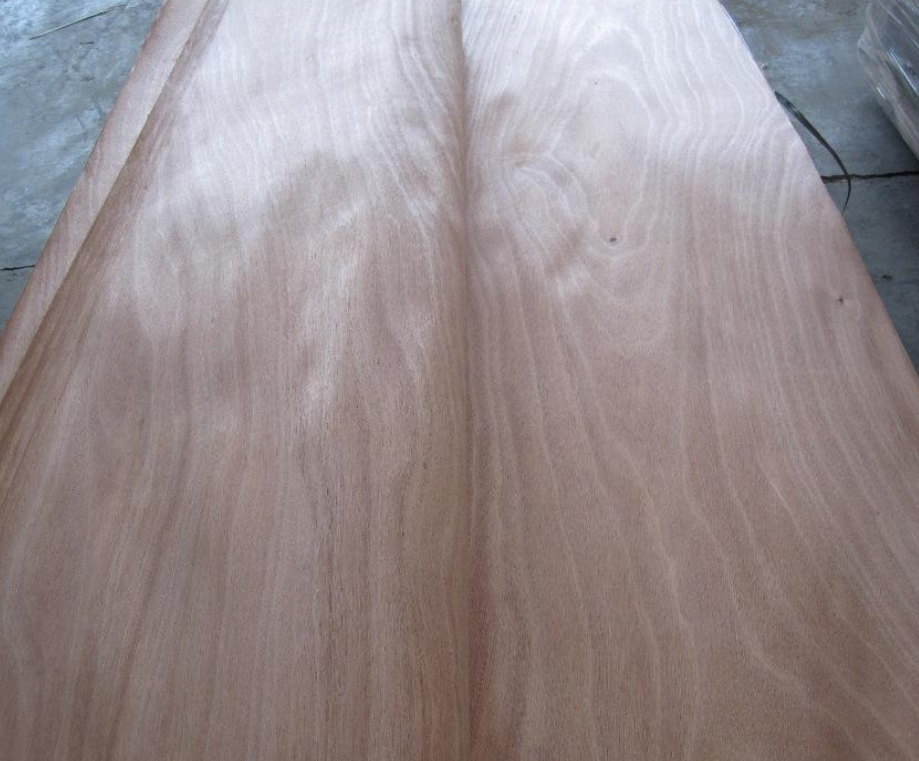
Many manufacturers find that veneers appear flat after drying, but curl, warp, and wavy again after transfer, stacking, and short/long-distance transportation. The root cause is not inadequate drying, but rather imbalanced moisture content, uneven stacking stress, temperature and humidity fluctuations, and secondary stress release from loading and unloading collisions. Below, we discuss practical prevention and control measures for each stage, from drying and unloading to temporary storage, packaging, loading, and unloading, along with key process points for using roller veneer dryers.
I. Address the Source: Dryer Discharge is the First Line of Defense Against Curling During Transportation
Most potential deformation during transportation originates in the drying process:
Ensure uniform internal moisture content of the veneer, preventing "dry outside, wet inside" conditions.
Use roller veneer dryers with a uniform moisture cooling section; avoid direct discharge at high temperatures. Directly sealing and packaging high-temperature veneers allows residual internal moisture to continuously migrate, easily leading to one-sided moisture absorption/loss and curling.
Correct Practice: After drying, slowly release residual stress through a humidification and cooling section. Control the overall moisture content deviation of the board within ±1%. Discharge the board only after the surface temperature is close to ambient temperature to prevent internal moisture re-entry after the hot boards are sealed.
For easily curled thin veneers and stress-prone wood veneers, prioritize low-temperature slow drying. For eucalyptus, small-diameter timber, and 0.6–1.2mm thin veneers, appropriately reduce the drying temperature and slow down the conveyor speed to reduce residual drying stress. For rotary-cut veneers from logs with high stress, add equalization humidification at the end of the dryer to release internal stress in advance and reduce the probability of springback during subsequent transportation.
II. Post-Discharge Temporary Storage Management to Prevent Deformation Before Loading
Qualified dried veneers must not be temporarily stored in the open air, drafts, or direct sunlight. Maintain a constant temperature and humidity in the workshop to prevent localized rapid water loss and shrinkage curling, or moisture absorption and expansion warping.
Stack veneers by grade and thickness, ensuring complete alignment and flatness of all four sides. Place a counterweight on top of the stack and allow it to set for 2-4 hours to fully release stress before packaging. Do not pack and load veneers immediately after they leave the dryer.
Wet veneers must not be transported naked for extended periods. Undried wet veneers should be transported as short a distance as possible and placed in the dryer as quickly as possible to prevent irreversible curling caused by one-sided drying.
III. Packaging Protection
Isolating from temperature and humidity fluctuations is the core of preventing curling during transport.
Morphin absorption and water loss in the truck are the most common causes of curling in veneers. Moisture-proof sealing: Wrap the entire stack of veneers completely with waterproof PE film to reduce air exchange between the inside and outside of the truck, preventing one-sided water absorption or loss due to temperature differences between day and night, rain, and moisture during transport.
Note: Hot veneers cannot be directly wrapped with film, as condensation will form inside the film. They must be cooled to room temperature before sealing.
Padded Pads for Isolation and Even Stress Distribution: Use flat, rigid plywood pads on top and bottom of each layer/stack. Do not use bent, uneven, or old pads. Pad dimensions should be at least equal to the veneer width to ensure even pressure distribution across the entire veneer surface, preventing central gaps and edge warping.
Moderate Binding Tightness: Avoid excessively tight straps/straps in any area to prevent veneer from denting in the center and warping on the sides. Bind evenly at multiple points to ensure the entire stack of veneers remains flat and under constant pressure, inhibiting stress rebound and curling.
IV. Loading and Transportation Control
Keep the truck bed dry. Lay a moisture-proof lining on the floor to prevent condensation and dampness from soaking the bottom veneers. The truck bed should not be exposed to direct rain or sunlight.
Plain veneer stacks must be laid flat; vertical or angled stacks are strictly prohibited. Avoid any single point of gaps. Securely fasten stacks together to prevent shifting, bumping, or edge warping due to vehicle jolting.
For long-distance transport, enclosed vans are preferred; open-top vans must be completely covered with thickened rainproof tarpaulins to prevent direct sunlight and wind-induced dehydration.
V. Unloading and Warehousing
Preventing Post-Unloading Curling
Unload in sheltered indoor areas first. Avoid prolonged unpacking in open, drafty areas. When there are large temperature differences, allow the entire truckload of veneers to warm up in the workshop before removing the film to avoid sudden temperature changes.
After unpacking, stack the veneers flat and evenly, placing weight on top of the stack to stabilize their shape. Do not stack individual sheets loosely.
Brief Summary: Veneer curling during transport is essentially caused by a combination of residual stress from drying, uneven moisture content during transport, and unbalanced stacking forces.
For long-term prevention and control: First, use a roller veneer dryer with humidity control and cooling process to ensure even drying and stress pre-release; then, ensure proper cooling and shaping, moisture-proof sealing and packaging, flat padding for counterweighting, and sealed and stable transportation; finally, unload and store the veneers properly to greatly reduce the risk of secondary curling and scrapping of veneers during transportation.
- Войдите или зарегистрируйтесь, чтобы оставлять комментарии