
 中文
 English
 Russian
 Thai
 Indonesian
 Vietnamese
 Portuguese, Portugal
 French
 日本
 Korean
 Hindi
 Spanish
 Turkish
 Arabic
 Bahasa Malaysia
Why Does Veneer Warp During Drying?
Discover why veneer warps during drying and learn practical ways to control moisture, optimize dryer settings, and improve veneer quality.
Discover why veneer warps during drying and learn practical ways to control moisture, optimize dryer settings, and improve veneer quality.
Explore the veneer drying process, from wet veneer preparation to moisture control. Learn how to improve veneer quality and reduce energy consumption.
Discover how continuous veneer drying works, improves moisture control, reduces energy consumption, and helps plywood manufacturers produce consistent, high-quality veneer.
Learn how to prevent veneer overdrying with better moisture control, balanced temperature and humidity, proper airflow, and smart dryer settings.
Veneer drying plays a vital role in modern plywood production. However, not every sheet dries at the same speed, even under similar conditions. Wood species, initial moisture content, drying temperature, and airflow all influence the final result. At Shandong Shine Machinery, we understand these challenges and help manufacturers improve drying efficiency without sacrificing veneer quality.
Discover how wood species affect veneer drying time, moisture control, energy use, and quality. Learn how to adjust drying conditions for better results.
Drying can quietly become one of the biggest energy costs in plywood production. That makes many manufacturers ask, How to Reduce Veneer Drying Energy Consumption without hurting veneer quality? We believe the answer starts with process control, not simply adding more heat.
A modern drying line must remove water quickly and evenly. At the same time, it must avoid unnecessary heating, excessive airflow, and overdrying. Research shows that temperature, initial moisture content, conveyor speed, and air control can strongly affect drying efficiency.

Learn how to control veneer moisture content with the right temperature, airflow, drying time, and moisture checks for better veneer quality.
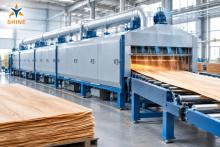
What is the best temperature for veneer drying? Learn how temperature, moisture content, wood species, and airflow affect veneer quality.
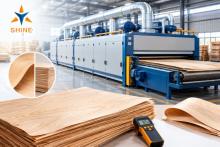
Learn how to dry wood veneer with the right heat, airflow, and moisture control. Discover practical drying methods for better veneer quality and lower energy use.